

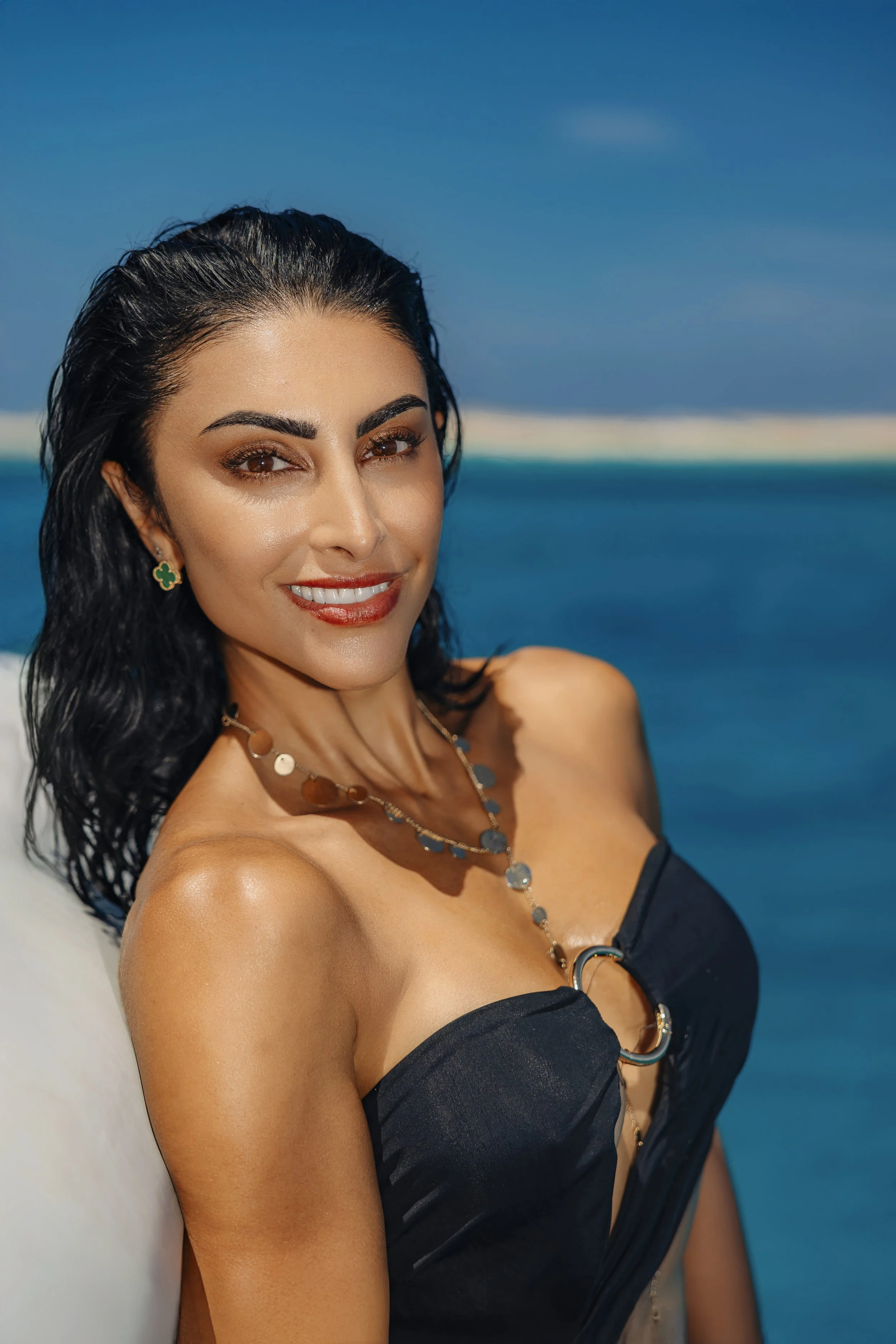
When your gut is stressed, it always shows on your face first.
Many women believe that skin problems arise "just like that" – due to stress, improper care, or hormonal fluctuations.
But one of the most important, yet often overlooked, causes lies much deeper:
A stressed gut is always reflected in your face.

Why you will never achieve your dream figure (if you continue doing exactly what you have been doing up to now)
understanding
clarity
and a strategy that suits your body
Once you understand that,
everything changes.
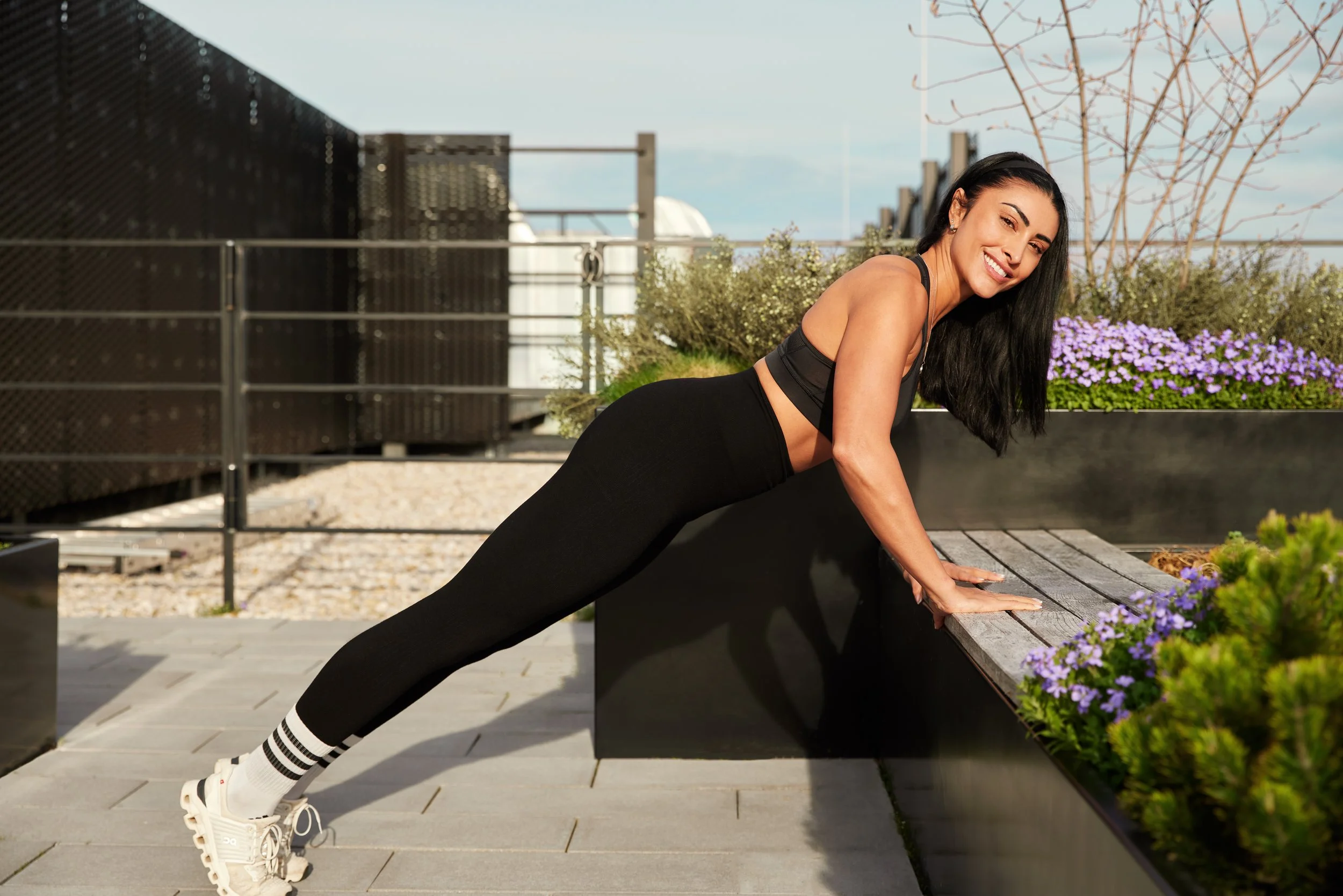
Glow starts in your kitchen—foods with immediate effects on your skin, hormones, and energy levels
Discover foods that instantly give you more glow, less bloating, and stable energy. The best hormone-friendly beauty foods for women over 35—simple, quick, and with immediate results.

Why January is your gentle reset—not your toughest month
But the truth is: January doesn't determine your success.
It's not the month when you have to be perfect.
It's the month when you find yourself again.


Lessons learned after 10 years of coaching – about development, clarity, and conscious decisions
Experience does not mean continuing as before.
Experience means consciously working differently when the time is right.
And that's exactly how I work today.
When will the change really happen? – When perimenopause begins earlier
Perimenopause refers to the transition period before actual menopause—that is, before menstruation has ceased for at least one year.
Why alcohol ages your skin – the hormonal & scientific truth
Even small adjustments make a huge difference:
drink consciously instead of regularly
Drink water + electrolytes afterwards.
eat protein-rich foods beforehand
choose dry options (less sugar)
drink early in the evening
Do not drink during your luteal phase.
How to maintain your glow – even after 35.
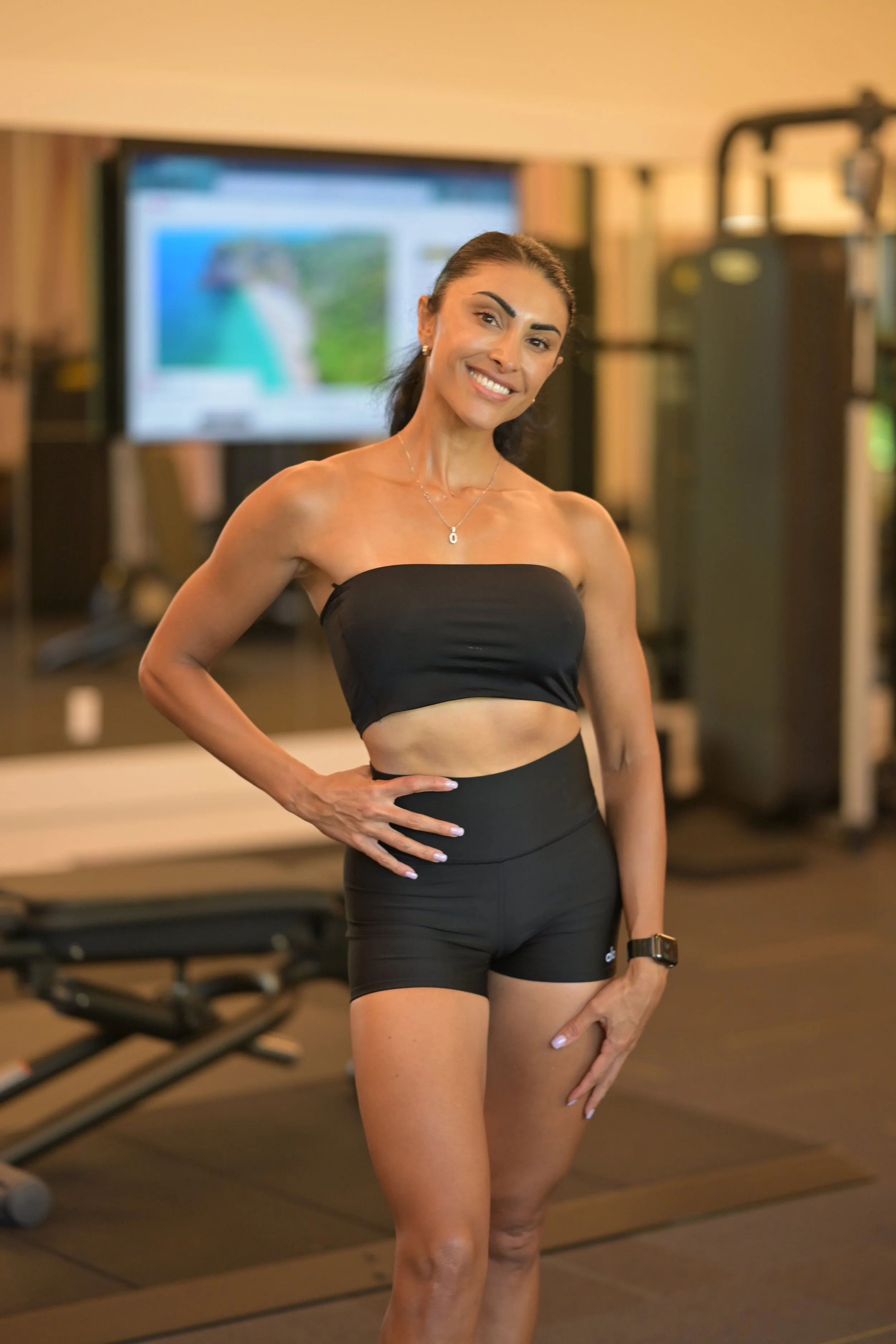
Losing weight despite insulin resistance – why your body isn't broken
Insulin is a hormone that transports sugar from the blood into the cells so that it can be used as energy.

Why you don't need the same diet at 40 as you did at 25 – and how to really support your body from 35+
Many women suddenly notice changes between the ages of 35 and 45: less energy, more water retention, skin that reacts more quickly, PMS, poorer sleep, belly fat.
But the reason is rarely "lack of discipline"—it's hormones and metabolism that are changing.
And: The diet that worked at 25 simply doesn't work anymore.
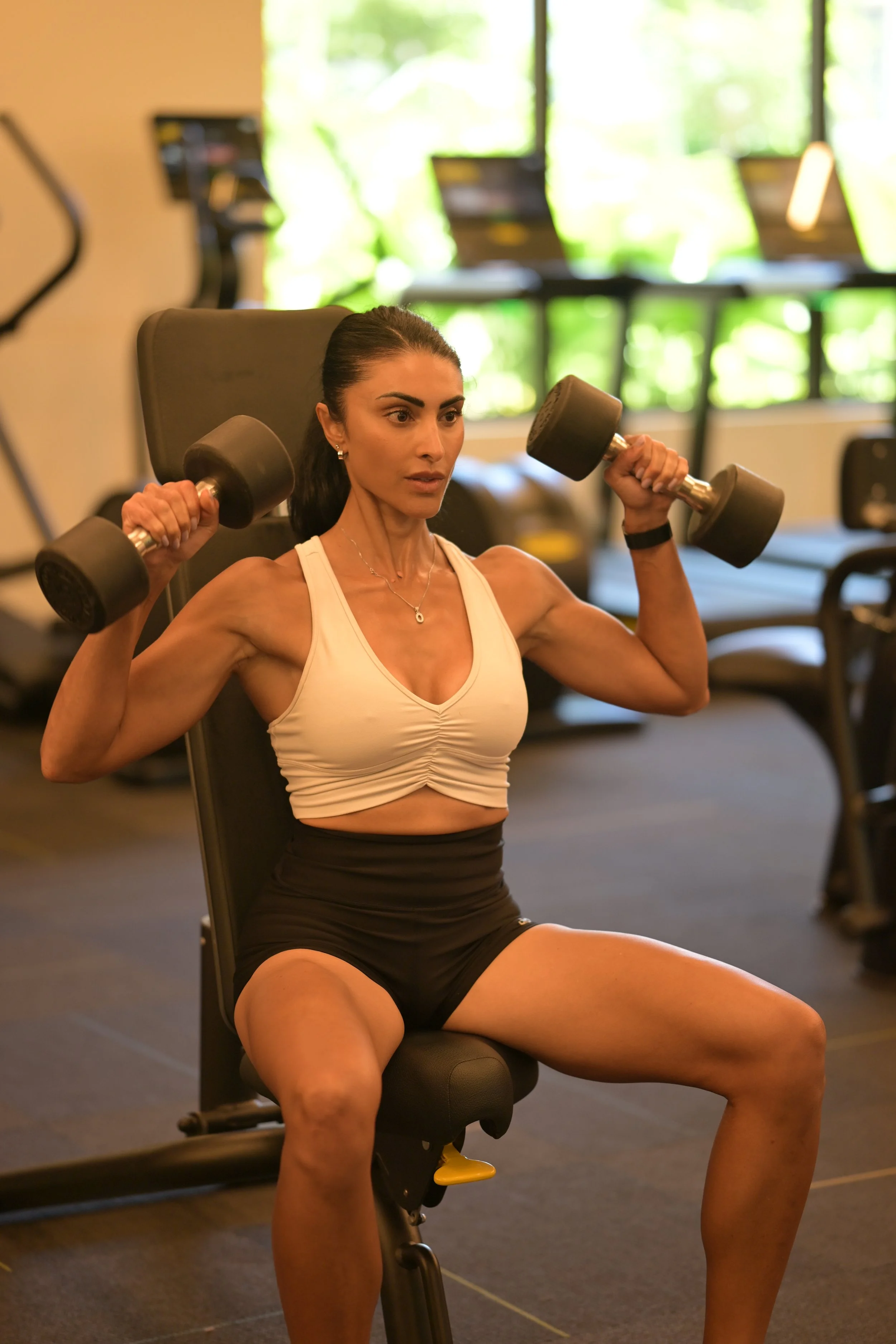
Why strength training is your key now
For many women, the menopause is not an exclusion criterion for strength, definition and vitality - on the contrary: it is a new starting point. With targeted strength training, you can provide important impetus right now: for muscles, bones, metabolism and quality of life.
If you like, we can work together to develop a weekly training and nutrition plan specifically for your current goals (lean stomach, plump bottom, hormone-friendly) - finely tuned to your brand, your coaching activities and your lifestyle. Are you in? 💪
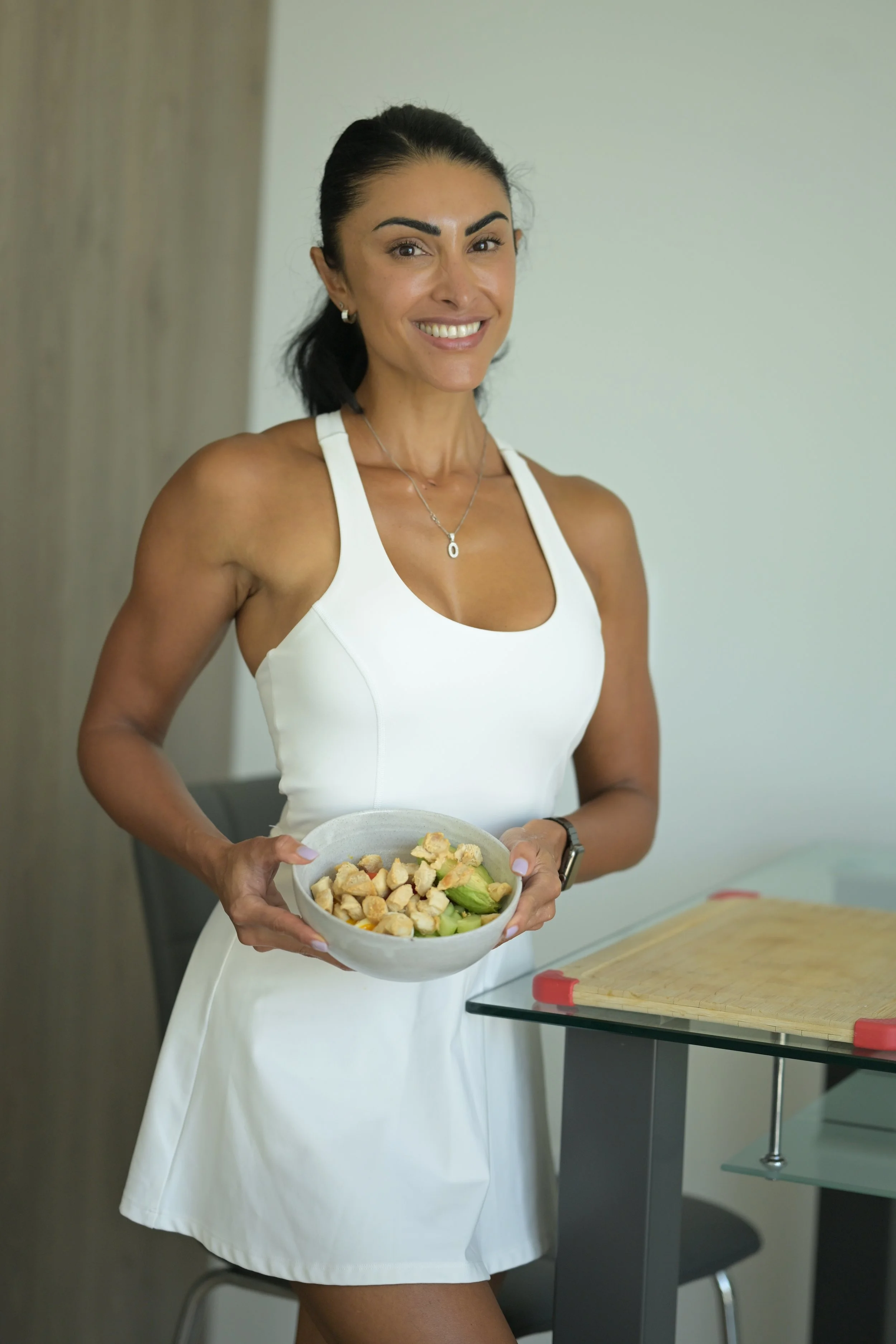
Nutrition during the perimenopause - how to nourish your body with smart choices
The menopause is not a stop sign. It's a new start - with a diet that consciously strengthens and defines you and supports your system. As a trainer with a focus on women and a match between training and lifestyle, you have a strong profile here: not just training, but holistic.

Maintaining your weight during the menopause - how to achieve a defined line
Your goal is clear: a defined stomach, plump bottom, powerful body - without overtraining, without the pressure to diet. During the menopause, this means: smart instead of harder, mindful instead of radical, long-term instead of fast.
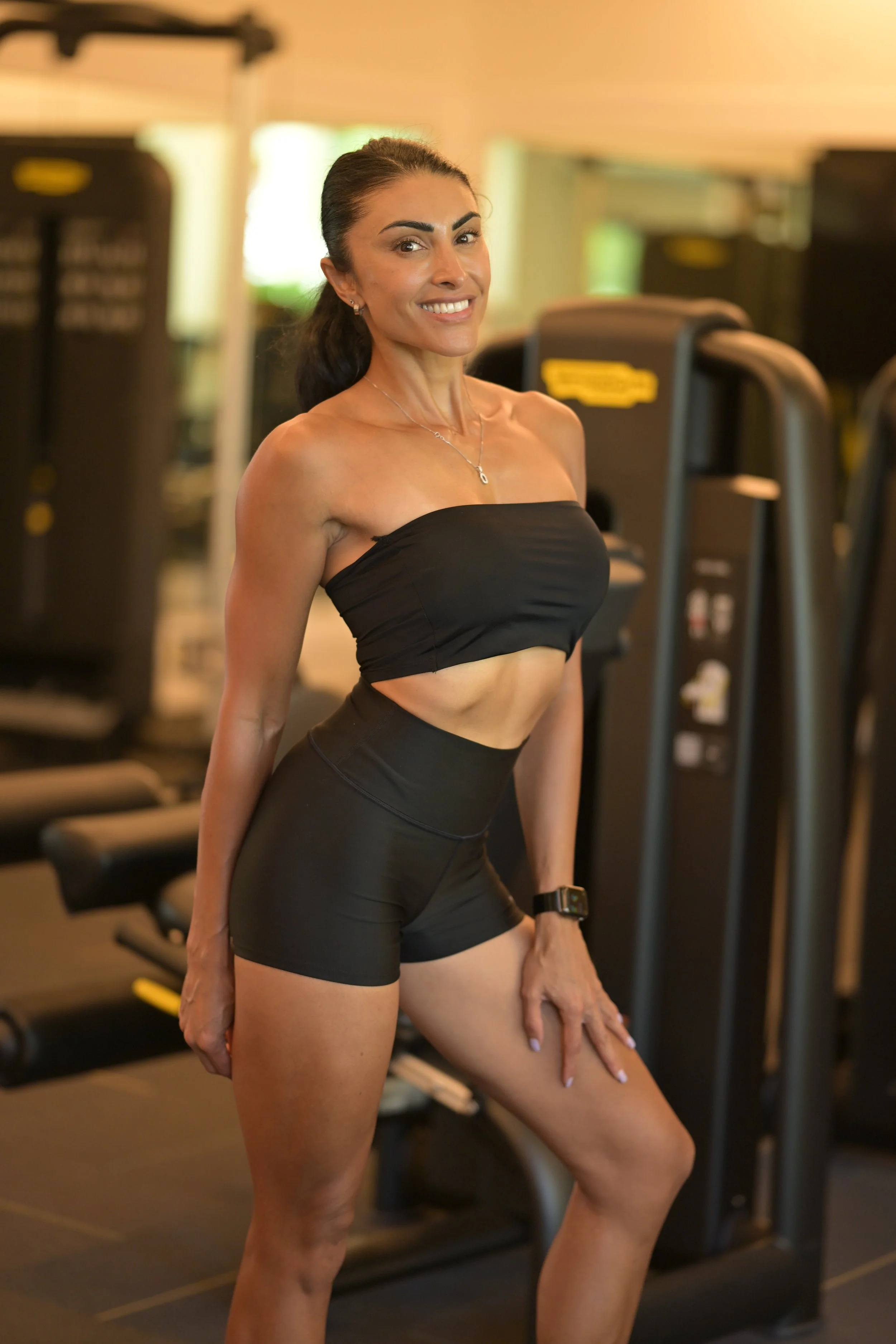
Strengthen yourself through the menopause - with targeted training at home
The menopause is not an obstacle - it's an opportunity. A well-structured home workout plan with a focus on strength, exercise, mobility and conscious nutrition can help you get through this phase of life feeling strong, defined and healthy. With my professional approach and the right approach, you can not only deliver physical results - but also self-confidence, energy and quality of life.

How much protein do you really need to build muscle and lose fat as a woman over 35?
From your mid-30s, your body slowly starts to lose muscle mass (and therefore your basal metabolic rate!) - especially if your training is not targeted enough. At the same time, the ability to metabolize protein optimally decreases. This means that you need more protein to achieve the same effects as before.

Review: ExpoHealth50+ Zurich - An inspiring weekend full of encounters, energy and education
What a wonderful weekend in Zurich! ExpoHealth50+ was a complete success for me and my team - with so many inspiring talks, exciting contacts and great encounters with women who are interested in fitness, nutrition and hormonal health.

Histamine - the underestimated disruptive factor for your hormonal balance
My conclusion:
Histamine is not an "enemy" - but with hormonal issues such as PMS, water retention, sleep problems or perimenopausal symptoms, too much can cause your system to falter.
If you often feel puffy, suffer from cravings or mood swings, it's worth taking a closer look at histamine. It can be a real game changer for your body image, your skin and your energy - especially at 40+.

Hormones & strength training: why women over 35 should train differently
📣 Start with what you have - right where you are
All you need is:
✔ 20-30 minutes twice a week
✔ 1-2 small dumbbells
✔ a space in your living room
✔ me as your trainer at your side 💁♀️
If you don't feel good in your body right now, it's not your fault - it's your hormonal system.
And that's exactly what we're bringing back into balance with smart training.

Why training works differently after 40 - and how to train smarter instead of harder
When I was 25, I thought: "If I do even more, I'll look even better." Today - at almost 40 - I know that less is often more. Especially when it comes to training, hormones and your own well-being.